For many Christian families, Sunday mornings are busy but familiar: getting children ready, arriving at church, sitting together in the service, collecting children from groups afterwards, and heading home tired but encouraged.
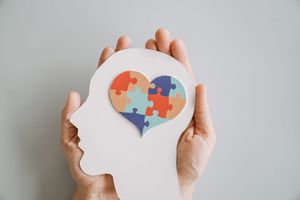
For some families, however, church can feel overwhelmingly difficult in ways that often remain unseen. Our family is neurodivergent. Between all four of us, we navigate autism, ADHD, and a PDA profile (Pathological Demand Avoidance, sometimes referred to as Persistent Drive for Autonomy). These are not trendy labels, nor are they excuses for behaviour. Greater awareness has led to better recognition of neurodevelopmental conditions that have long existed, particularly among girls and women whose struggles have often been overlooked because they learn to mask them so well.
Increased awareness has not created neurodivergence, rather it has helped many people finally make sense of difficulties they may have quietly carried for decades. Behind many diagnoses lies a long and emotionally exhausting process of seeking understanding for struggles that are often invisible to others.
— This article continues for ET members